

Therapy
Therapy can be a space to slow down, reflect, and begin to understand yourself in a way that feels more compassionate and aligned.
I work with neurodivergent adults and young people, particularly those navigating burnout, masking, trauma, or questions around identity and belonging.
Together, we can explore your experiences at your own pace, in a way that feels safe, flexible, and responsive to your individual needs.
Learn more about my therapy approach

Thinking about therapy?
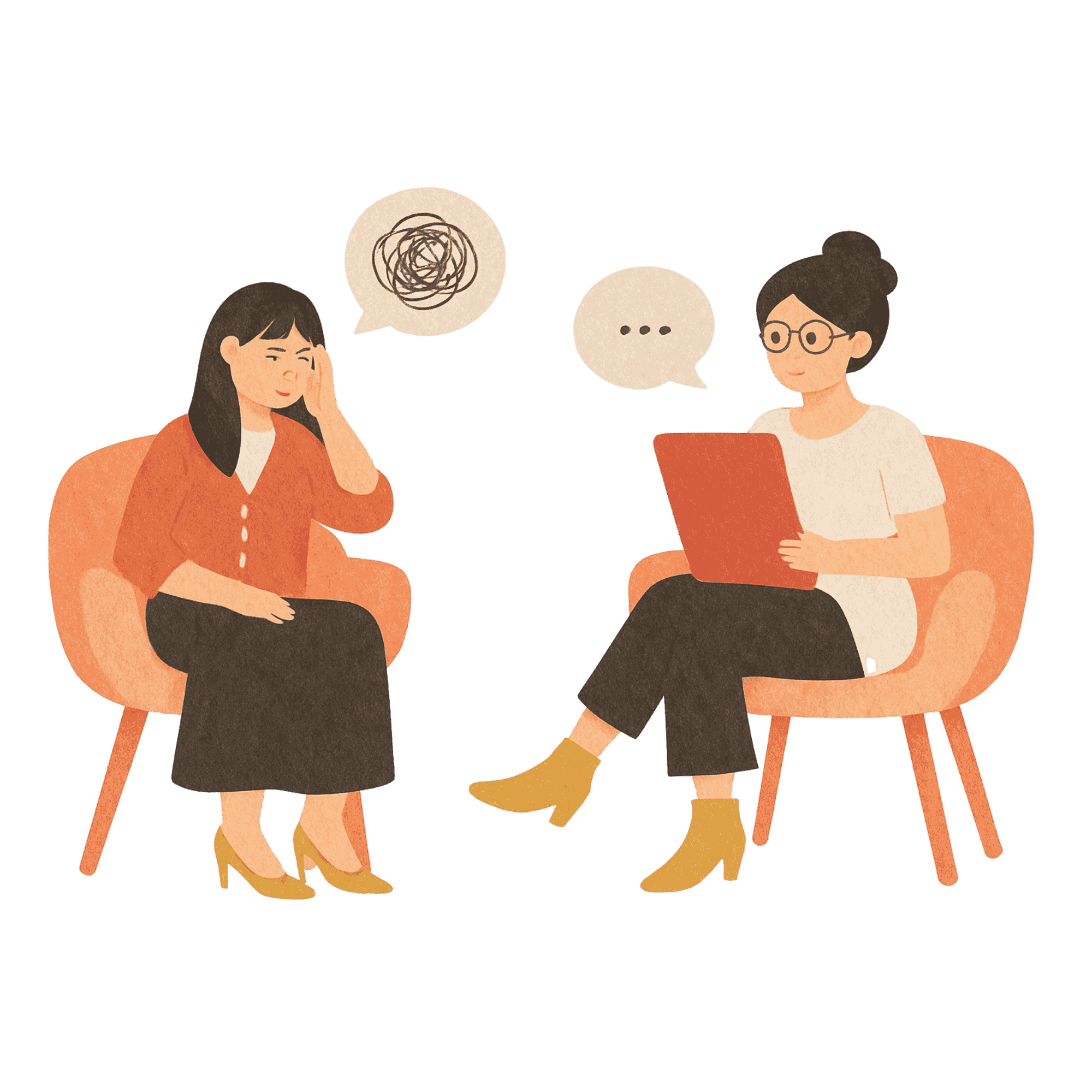
Starting therapy can feel overwhelming, especially if you’ve had difficult experiences in the past, struggled to find the right words, or have been carrying things on your own for a long time.
You don’t need to have everything figured out before reaching out.
We can take things one step at a time.
In our first session, we’ll explore what’s brought you here, what you’re hoping for, and begin to get a sense of whether this feels like the right fit. There’s space for questions, uncertainty, and going at your own pace.
I offer a calm, collaborative space where we can gently explore what you’re carrying.
My role is to listen deeply, hold space with care, and support you to understand your experiences in a way that feels right for you, without pressure to fit into a particular way of being.
Over time, therapy can support you to reconnect with who you are, honour your needs, and create a life that feels more aligned and sustainable.
You don’t have to do this alone, and you don’t have to rush.

What therapy with
me is like
My approach to therapy is relational, collaborative, and flexible.
-
My approach to therapy is relational, collaborative, and flexible.
I believe therapy works best when it adapts to you, rather than expecting you to fit into a particular structure or way of doing things. We’ll work at your pace, with space to pause, reflect, and move gently, without pressure to have the “right” words or to process things in a certain way.
As a neurodiversity-affirming therapist, I recognise that traditional approaches don’t always feel accessible or helpful. You won’t be expected to mask, explain yourself repeatedly, or fit into ways of communicating that don’t feel natural to you.
Our work together may involve exploring your current experiences, as well as gently making sense of patterns, relationships, and past experiences that may be shaping how things feel now. This is always done with care, at a pace that feels manageable and safe.
I also offer creative ways of working where helpful, recognising that not everything needs to be expressed through words. This might include using imagery, metaphor, or other forms of expression to support understanding.
Above all, therapy is a space where you can begin to feel more connected to yourself, more able to honour your needs, and more supported in creating a life that feels sustainable.
-
I work with neurodivergent adults and young people across a range of experiences, including:
Burnout and chronic overwhelm
Masking, identity, and unmasking
Trauma and the lasting impact of difficult experiences
Anxiety and emotional intensity
Feeling misunderstood, unseen, or “different”
Boundaries, people-pleasing, and over-functioning
Shame, self-doubt, and internalised ableism
Navigating relationships and connection
Sensory overwhelm and regulation
Navigating diagnosis or late identification
Gender identity and exploration
Chronic illness / pain
School-related stress and challenges for young people
If you’re unsure whether therapy would be helpful for what you’re experiencing, you’re very welcome to get in touch to explore this together.
-
Sessions
Therapy sessions take place online via Zoom and last 60 minutes.———
Who I work with
I work with both adults and adolescents, adapting sessions to suit your stage of life and individual needs.———
Initial consultation
I offer a free initial consultation, which gives us a chance to explore what you’re looking for, answer any questions, and get a sense of whether working together feels like the right fit.———
Starting therapy
If you decide to go ahead, we’ll begin with an initial assessment period. This is a space to explore your experiences in more depth, begin building a therapeutic relationship, and consider how we might work together moving forward.———
Frequency
Sessions are typically held weekly or fortnightly, depending on your needs and what feels manageable for you.———
Parent involvement
Where appropriate, I also work collaboratively with parents or carers to support young people in a way that feels safe and respectful.
You don’t need to have everything figured out before reaching out.

If you’d prefer, you’re also welcome to email me directly at cloie@diversemindstherapy.org