

About me
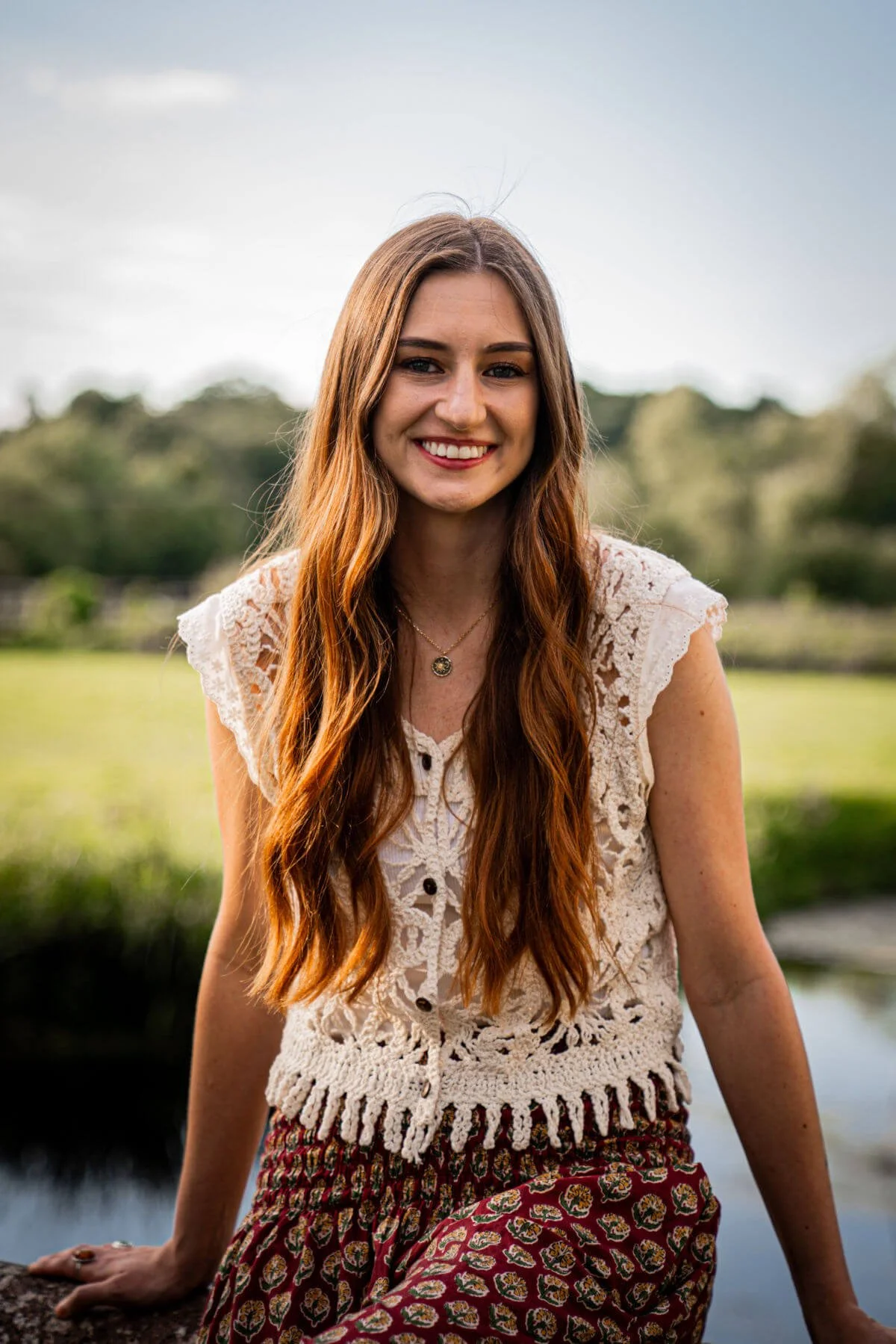
Hi, I’m Cloie
Welcome to a space where you don’t have to mask, shrink, or explain yourself just to feel understood.
I’m Dr Cloie Parfitt, a neurodivergent psychotherapist and autism inclusion specialist based in the UK.
I support neurodivergent adults and young people, particularly those who have felt unseen or misunderstood, to better understand themselves and move towards a life that feels more authentic and sustainable.
Therapy is a deeply personal journey, and I’m here to walk alongside you.
My work is grounded in a neurodiversity-affirming and trauma-informed approach, creating a space where your experiences are honoured, and you’re free to show up as you are.
-
My approach to therapy is relational, collaborative, and grounded in a neurodiversity-affirming and trauma-informed perspective.
I believe that many of the difficulties people experience are not simply located within the individual, but are shaped by environments, relationships, and systems that may not have felt safe, supportive, or understanding. Therapy can be a space to gently explore these experiences, without placing blame or pathologising who you are.
My work is rooted in values of compassion, curiosity, autonomy, and respect. I’m also mindful of the ways power, identity, and systems can shape our experiences, and aim to hold these in awareness within our work.
I draw on person-centred and psychodynamic approaches, which means we can explore both your present experiences and the patterns or relationships that may be shaping how things feel over time.
I work in a flexible and responsive way, adapting therapy to you rather than expecting you to fit into a particular model. This might mean moving at a slower pace, revisiting things over time, or finding different ways to explore your experiences that feel more accessible.
As a neurodiversity-affirming therapist, I recognise that traditional therapy spaces can sometimes feel invalidating or difficult to access. In our work together, there is no expectation to mask, perform, or explain yourself in ways that don’t feel natural.
Where it feels helpful, I also incorporate creative ways of working, recognising that not everything needs to be expressed through words. This might include using imagery, metaphor, or other forms of expression to support understanding.
Above all, my aim is to create a space that feels safe enough for you to explore, reflect, and begin to reconnect with yourself in a way that feels meaningful and sustainable.
-
I work with neurodivergent adults and young people, including autistic individuals and those who identify with ADHD or other forms of neurodivergence.
I have a particular interest in supporting late-identified neurodivergent women and AFAB individuals, especially those who may be beginning to understand themselves in a new way after years of feeling misunderstood, unseen, or different.
I also work with adolescents navigating the challenges of school, identity, and belonging, adapting sessions to suit their stage of life and individual needs.
I have experience supporting gender-diverse clients and aim to create a space that is inclusive, affirming, and respectful of each person’s identity and lived experience.
I also support individuals living with chronic health conditions or pain, recognising the additional emotional, physical, and often systemic impact this can bring.
Where appropriate, I work collaboratively with parents or carers to support young people in a way that feels safe and respectful.

Background & Experience
Before training as a psychotherapist, I worked as a nurse, where I developed a strong understanding of the connection between physical and emotional wellbeing.
I have since worked therapeutically in schools and within addiction services, supporting both young people and adults across a range of experiences.
For the past six years, I have been in private practice, specialising in working with neurodivergent individuals. Much of my work focuses on supporting clients navigating burnout, trauma, identity, and the long-term impact of masking and unmet needs.
My work is shaped not only by professional training, but by an ongoing commitment to neurodiversity-affirming and trauma-informed practice.
-
- Professional Doctorate in Counselling & Psychotherapy
-Postgraduate Diploma in Counselling & Psychotherapy
-Certificate in Online Counselling & Psychotherapy
-Diploma in Neurodivergence and Eating Disorders
-Associate Degree in Nursing (ADN)
-
Learning doesn’t stop once you’re qualified—it’s something I weave into my everyday life. Whether it’s joining workshops, attending conferences, or diving into new research, I love discovering ideas that deepen and expand the way I support my clients.
Abandonment Trauma Treatment Specialist Certificate: DBT, Parts Work, and Somatic Tools for Core Wounds, Rejection Sensitivity, Codependency, and More: PESI UK (August 2026)
Janina Fisher's Embracing Our Fragmented Selves: A Trauma-Informed Approach to Healing Through Parts Work: PESI UK (July 2026)
Certificate in Evidenced-Based Group Therapy: PESI UK (October 2025)
Working with Mother-Daughter Relationships: Using the Mother-Daughter Attachment Model for Healing & Empowerment: PESI UK (September 2025)
Safeguarding Children & Young People with SEND: NSPCC Learning (September 2025)
Carolyn Spring’s Trauma Recovery Practitioners’ Community (Ongoing Weekly Sessions)